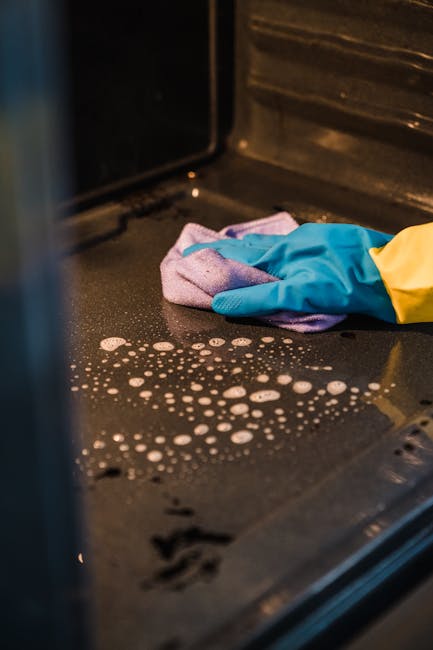
Common oven cleaning problems in Hammersmith flats: what goes wrong, why it happens, and how to fix it
If you live in a Hammersmith flat, oven cleaning sounds simple enough at first. Then reality kicks in: tight kitchens, awkward access, baked-on grease, shared extractor noise, leasehold expectations, and ovens that seem to collect every roast dinner from the last six months. The common oven cleaning problems in Hammersmith flats are rarely about one big disaster. More often, it is a mix of small frustrations that build up until the job becomes far harder than it should be.
This guide breaks down the real issues people run into, what causes them, how professional oven cleaning usually tackles them, and when it makes sense to stop wrestling with the thing and get help. Along the way, you will also find a checklist, a comparison table, and practical advice for flat living where space is limited and time is never exactly generous. Let's face it, nobody wants to spend Saturday morning elbow-deep in burnt-on fat if they can avoid it.
Why Common oven cleaning problems in Hammersmith flats Matters
In a flat, the oven is often working harder than it looks. Compact kitchens tend to trap heat, poor ventilation can leave more condensation and grease on surfaces, and narrow layouts make it awkward to get proper leverage when cleaning racks, seals, or glass doors. If you are in a Victorian conversion, a modern apartment block, or a compact studio near the station, the same headache shows up in different ways.
The biggest issue is not just appearance. A dirty oven can smoke, smell, cook unevenly, and make everyday cooking more irritating than it should be. You notice it when the kitchen fills with that sharp greasy smell halfway through heating up chips, or when the fan seems to be pushing warm air nowhere useful. Not ideal.
There is also a practical side. If you are ending a tenancy, preparing for an inspection, or simply keeping on top of a busy household, a poorly cleaned oven can become a recurring problem. It can also create tension with landlords, flatmates, or family members who all have different ideas about what counts as "clean enough".
For residents who prefer a broader home-care routine, it often helps to think about oven cleaning alongside deep cleaning and one-off cleaning, especially when the kitchen needs more than a quick wipe. That wider approach can save a lot of repeat effort later.
Practical takeaway: the real cost of oven cleaning problems in flats is rarely just the grime itself. It is the time lost, the frustration, the smell, and the risk of damaging a surprisingly expensive appliance with the wrong method.
How Common oven cleaning problems in Hammersmith flats Works
Oven cleaning sounds straightforward because the goal is simple: remove grease, carbon, and food residue from the interior, glass, racks, door seals, trays, and surrounding surfaces. The problem is that each part behaves differently. What lifts easily from the oven cavity may cling stubbornly to the door glass. What dissolves on enamel may not touch the baked-on residue around heating elements or fan covers.
In flat settings, the process is also shaped by space. A kitchen in Hammersmith might be efficient, but efficient is not the same as roomy. There may be limited sink access, nowhere obvious to soak racks, and little space to lay out parts while they dry. So the job becomes part cleaning, part logistics. That is the bit people underestimate.
Professional oven cleaning usually begins with inspection, then careful disassembly where appropriate, followed by degreasing, scraping, soaking, polishing, and reassembly. The exact method depends on the oven type. A single built-in oven is one thing; a double oven or a range-style appliance is another. Some ovens have delicate coatings, removable side panels, or self-cleaning functions that need a more cautious approach.
And yes, some "oven cleaning problems" are actually diagnosis problems. If an oven smells burnt even after cleaning, the issue may be hidden residue near the fan or inside a seal. If the glass looks hazy after scrubbing, the cleaner may have been too abrasive. Small details matter.
For households that want a more structured clean, it can help to combine oven care with domestic cleaning routines or even a cleaner visit, because kitchens in flats often need regular light maintenance rather than occasional panic cleaning. Truth be told, that is usually the calmer route.
Key Benefits and Practical Advantages
Solving common oven cleaning problems properly gives you more than a shiny appliance. It improves day-to-day kitchen comfort and reduces the chance of the same mess coming back too quickly.
- Better cooking performance: less grease build-up means more even heat circulation and fewer burnt odours.
- Less smoke and smell: old residue is a common source of unpleasant kitchen smoke when the oven gets hot.
- Longer appliance life: when grime is allowed to harden for months, parts are harder to clean and may wear faster.
- Safer handling: greasy trays, splattered doors, and burnt residue can be slippery or abrasive.
- Improved property presentation: especially useful for tenants, hosts, and homeowners preparing for inspections or visitors.
- Less stress in small kitchens: if the kitchen is compact, one deep clean can reset the whole space.
There is also a mental benefit, oddly enough. A clean oven tends to make the whole kitchen feel more under control. You open the door, see the rack rails looking decent again, and suddenly the place feels more manageable. Tiny win, but still a win.
If the oven problem sits alongside other household jobs, a broader service like house cleaning or a carefully scheduled oven cleaning appointment can be easier than trying to build a long weekend around it.
Who This Is For and When It Makes Sense
This topic is relevant to a few different kinds of Hammersmith flat residents. You may recognise yourself in more than one.
- Tenants who need the oven brought back to a good standard before moving out.
- Busy professionals who cook at home but do not have time for a proper deep clean.
- Families in flats dealing with regular cooking, chips, sauces, and the occasional enthusiastic roast.
- Landlords and letting agents who want kitchens left in a presentable condition.
- Anyone with a stubborn oven that has gone beyond the "a quick wipe will sort it" stage.
It makes sense to act sooner rather than later when you notice repeated smoking, a sticky door seal, discoloured glass, or grime around the fan and top grill area. If you have to scrub the same spot every week and it still looks greasy, the oven is telling you something. Not very politely, but still.
This is also where some people realise they need more than oven care. If the flat has had refurb work, moving furniture, or kitchen dust settling everywhere, then a service like after builders cleaning may be more appropriate than a standalone clean. The kitchen does not always fail in one place.
Step-by-Step Guidance
If you are dealing with common oven cleaning problems in Hammersmith flats yourself, a methodical approach matters more than brute force. Here is a simple framework that works well in compact homes.
- Switch off and cool down fully. Never start when the oven is warm. It sounds obvious, but people do rush this.
- Remove loose items first. Take out trays, shelves, and anything detachable. If you can safely remove side racks or panels, do that only if the manufacturer allows it.
- Vacuum or wipe out dry crumbs. Start with the easy stuff. Loose crumbs make wet cleaning messier.
- Apply a suitable degreaser or oven cleaner. Use only a product appropriate for the surface. Read the instructions. Honestly, it saves grief.
- Focus on problem areas. Pay extra attention to the door glass, fan cover, grill area, corners, and rack grooves.
- Soak where possible. Racks often need a soak to loosen heavy residue before wiping.
- Wipe and rinse carefully. Remove cleaning residue thoroughly so it does not smoke when the oven heats again.
- Dry and reassemble. Make sure everything is dry before replacing it.
- Run a short empty heat cycle if needed. A brief warm-up can help clear lingering moisture or cleaner smell, provided the instructions allow it.
In a small flat kitchen, it helps to work one section at a time so you are not juggling racks, cloths, trays, and cleaning paste all at once. That can get messy quickly, especially if the sink is already full of dishes and somebody has put a mug "to soak" that may never be seen again.
For people who prefer not to handle the whole job themselves, a professional oven cleaner can step in with the right tools and keep disruption low. If the rest of the flat needs attention too, many residents pair it with one-off cleaning rather than booking separate jobs.
Expert Tips for Better Results
Here are the little things that make a surprisingly big difference.
- Clean before residue hardens completely. Fresh grease is always easier than carbonised grease.
- Check the oven manual if you still have it. Some coatings and fittings need a gentler approach.
- Use microfibre cloths for the final wipe. They are much better than rough sponges for glass and enamel.
- Ventilate the room. Even a slightly open window helps with fumes and moisture.
- Do not flood electrical areas. It should go without saying, but the fan housing, control panel, and wiring zones need caution.
- Test a cleaning product on a small patch first. Especially if the oven has a delicate finish.
- Keep a tray liner or mat in regular use. Prevention is boring, but effective. Boring is good here.
A good real-world habit is to give the oven a light check every couple of weeks when doing normal kitchen wiping. You do not need a full deep clean every time. Just stop buildup from becoming a weekend project. That one small habit can save hours later.
If you also have floors or soft furnishings taking a beating from kitchen traffic, services such as hard floor cleaning or upholstery cleaning can make the whole flat feel fresher, not just the oven area.
Common Mistakes to Avoid
Most oven cleaning headaches in flats come from a handful of avoidable mistakes. Seen them all, more or less.
- Using harsh abrasives on glass. This can scratch the door and leave it looking cloudy.
- Mixing products. Never combine chemicals unless the instructions clearly say it is safe.
- Cleaning while the oven is still hot. That can be unpleasant at best and risky at worst.
- Forgetting to rinse residue. Leftover cleaner can smoke or smell when the oven is next used.
- Soaking parts that should not be soaked. Not every component is designed for immersion.
- Ignoring the fan area. This is a common reason the oven still smells dirty after a clean.
- Not checking tenancy expectations early. If you are moving out, leaving the oven too late can add avoidable pressure.
One especially common mistake in Hammersmith flats is trying to do a full oven clean in a cramped kitchen late at night. The timing is never great, the light is poor, and suddenly there is grease on the skirting board. Best not.
Another mistake is assuming all ovens respond the same way. A newer appliance with a self-cleaning feature, a fan oven, or a double oven can behave very differently from an older single cavity model. Small differences, big difference.
Tools, Resources and Recommendations
You do not need a mountain of equipment, but the right basics help a lot. For most home attempts, these are the essentials:
- microfibre cloths
- non-scratch sponge
- rubber gloves
- small bowl or tray for soaking removable parts
- plastic or silicone scraper, if appropriate for the oven finish
- paper towels for the first pass on heavy grime
- a suitable oven cleaner or degreaser
For more involved work, a professional cleaner may bring purpose-made tools for racks, glass, and interior surfaces. That usually means less trial and error, fewer streaks, and less chance of damaging something expensive. And yes, oven glass can be annoyingly easy to make look worse before it looks better.
If you are comparing service levels, it is worth looking at a company's approach to safety, insurance, and payment handling as well. Pages such as insurance and safety, payment and security, and pricing and quotes can help you judge what to expect before you book anything.
If you want to understand who is behind the service, about us is a sensible place to start. For a direct conversation about an awkward oven, you can also use contact us.
Law, Compliance, Standards, or Best Practice
Oven cleaning in a flat is not usually a heavily regulated activity for the customer, but there are still sensible standards to keep in mind. In the UK, it is good practice for anyone carrying out cleaning work in someone's home to use products correctly, follow manufacturer guidance, avoid unnecessary damage, and manage health and safety responsibly.
For tenants, the main issue is often the tenancy agreement and check-out expectations rather than a specific cleaning law. If your oven is left heavily greasy, a landlord or letting agent may treat that as part of the end-of-tenancy condition. It is usually better to prevent a dispute than to argue about whether a baked-on tray counts as "normal wear".
For homeowners and landlords, good practice means being realistic about the finish and age of the appliance. A clean oven should look hygienic and function properly, but not every mark will disappear from older enamel or worn seals. That is where judgement matters.
Professionals should also be mindful of health and safety. If you are comparing providers, it is fair to look at public-facing information like health and safety policy, terms and conditions, and complaints procedure. Those pages help set expectations, which is always useful when a job involves someone working inside your flat.
There is also a wider ethical side for some customers, including recycling and waste handling. If that matters to you, recycling and sustainability is worth reviewing. It is not glamorous reading, granted, but it tells you a lot about how a company thinks.
Options, Methods, or Comparison Table
Not every oven issue needs the same solution. Here is a practical comparison to help you decide what fits your situation.
| Method | Best for | Pros | Limitations |
|---|---|---|---|
| Quick at-home wipe-down | Light grease and recent spills | Fast, cheap, easy to repeat | Won't handle burnt-on residue |
| Deep home clean | Moderate build-up | Good reset, low cost if you already have products | Time-consuming in small kitchens |
| Professional oven cleaning | Heavy grime, tenancy checks, stubborn smells | More thorough, less hassle, better finish | Costs more than DIY |
| Bundled flat clean | Whole-home refresh or move-out prep | Efficient when other rooms need work too | More planning needed |
In a Hammersmith flat, the choice often comes down to space and time rather than just budget. If you can easily strip the oven down and have somewhere to work, DIY may be fine. If the kitchen is tight and the oven is badly neglected, a professional service is usually the calmer option.
Some customers also combine oven work with end of tenancy cleaning or a broader cleaning company booking when a full property reset is due. That can make the process smoother, especially if the deadline is looming. Which, to be fair, it often is.
Case Study or Real-World Example
A fairly typical Hammersmith scenario: a one-bedroom flat, compact galley kitchen, and a built-in oven that has not had a proper clean in months. The resident cooks most evenings, often with roasting trays and a fair amount of sauce splatter. The oven still works, but it smokes slightly and the glass door has a dull, patchy look.
They started with a basic wipe, but the baked-on residue on the top interior panel would not budge. The rack grooves were greasy, the fan cover was stained, and the lower tray had a stubborn ring of carbonised fat. After trying two different products, the job became more frustrating than productive. At that point, the issue was not effort. It was diminishing returns.
What helped was switching to a more structured clean: racks removed and soaked, problem areas treated separately, glass handled with a non-scratch approach, and the oven left long enough to dry properly before use. The result was not showroom-perfect, because older appliances rarely are, but it was clean, functional, and far less smelly.
That is the key lesson. In small flats, oven cleaning problems often look worse than they are because the space magnifies every smell and smear. Once the appliance is properly reset, the whole kitchen feels lighter. You can almost hear the sigh of relief. Almost.
Practical Checklist
Use this checklist before, during, or after tackling an oven in a flat.
- Have I let the oven cool completely?
- Have I removed trays, racks, and loose crumbs first?
- Do I know which parts are safe to clean, soak, or remove?
- Am I using a product suitable for the oven surface?
- Have I opened a window or improved ventilation?
- Have I protected nearby surfaces from drips?
- Have I cleaned the glass, fan area, door seals, and corners?
- Have I rinsed away residue fully?
- Have I dried everything before reassembly?
- Does the oven still smell smoky or look patchy after cleaning?
If you can tick all of those, you are in good shape. If not, it may be time to step back and reassess rather than pushing on and making more work for yourself.
Conclusion
Common oven cleaning problems in Hammersmith flats usually come down to cramped spaces, stubborn grease, awkward oven designs, and a lack of time. None of that is unusual, and none of it means the job is hopeless. It just means the solution needs to fit flat living, not a fantasy version of a huge kitchen with endless counter space.
The best approach is simple: deal with grime before it hardens, clean carefully, avoid harsh shortcuts, and choose the right level of help when the job is bigger than expected. Sometimes that is a quick maintenance clean. Sometimes it is a deep reset. Sometimes it is just worth letting someone else handle the mess so you can get on with your week.
Get a free quote today and see how much you can save.
And if nothing else, remember this: a clean oven makes a small flat feel a little less small. That is not nothing.
Frequently Asked Questions
Why do oven cleaning problems seem worse in Hammersmith flats?
Flat kitchens are usually smaller and less ventilated, so grease, smoke, and smells build up more noticeably. Limited space also makes the cleaning process feel harder than it would in a larger kitchen.
What is the most common oven cleaning problem in a flat?
Burnt-on grease around the fan, door glass, and top interior panel is one of the most common issues. These areas tend to collect residue that does not come off with a quick wipe.
Can I clean a badly dirty oven myself?
Yes, if the grime is moderate and you have time, a suitable product, and patience. If the residue is heavy, the oven is old, or the kitchen is very cramped, a professional clean is usually easier and safer.
How often should a flat oven be cleaned?
For regular home use, a light wipe after spills and a deeper clean every so often is sensible. Heavy users may need more frequent attention, especially if the oven smokes or smells when heating up.
Why does my oven still smell after cleaning?
There may be residue left in the fan area, seals, corners, or under removable parts. Sometimes the smell is from cleaner residue that was not fully rinsed away.
Is it safe to use strong oven cleaner in a rental flat?
It can be safe if used exactly as instructed and on suitable surfaces. The main risks are damage to the finish, residue left behind, or splashing nearby surfaces. Always read the label carefully.
What should I do before a tenancy check-out?
Focus on the inside of the oven, door glass, racks, trays, seals, and surrounding cupboard edges. Those are the places that usually draw attention first in a final inspection.
Do professional oven cleaners remove racks and doors?
They often remove racks and other detachable parts where appropriate, but the exact process depends on the oven model and the condition of the appliance. Not every part is treated the same way.
How long does an oven clean usually take?
It depends on the level of grime and the oven type. A lightly used oven may be quicker, while a heavily neglected one in a flat can take noticeably longer because access and drying space are limited.
What should I avoid when cleaning oven glass?
Avoid abrasive pads, sharp tools, and harsh scouring that can scratch the surface. Gentle, repeated cleaning is usually better than one aggressive pass.
Can oven cleaning be part of a wider flat clean?
Absolutely. Many people combine it with deep cleaning, domestic cleaning, or one-off cleaning when the whole flat needs a reset rather than just the kitchen.
When is it better to hire a professional?
If the oven is heavily soiled, the kitchen is very small, the tenancy deadline is close, or you simply do not want the hassle, hiring help is usually the sensible choice. Sometimes paying for calm is worth it.