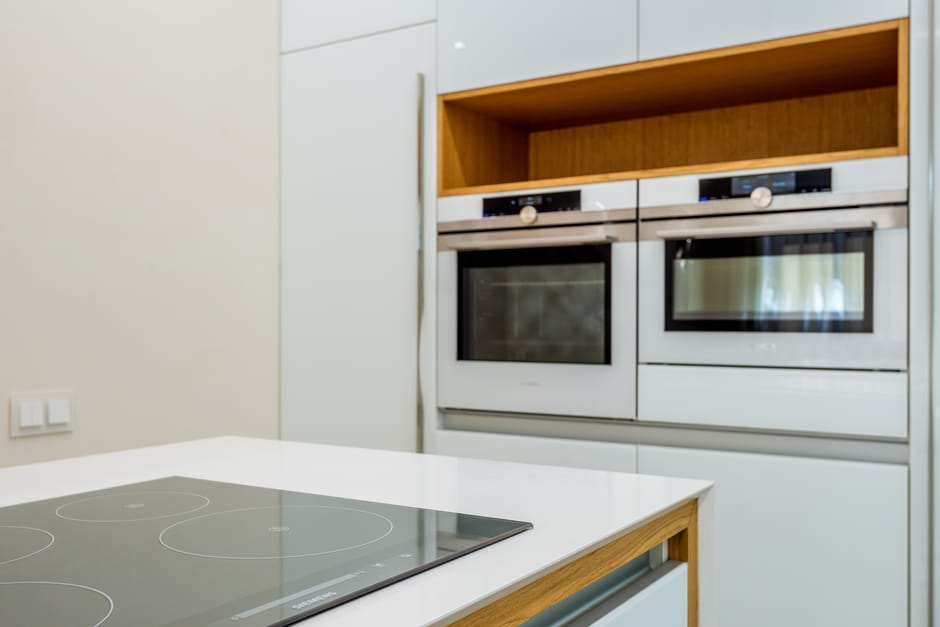
Avoid hidden oven cleaning fees in Hammersmith: a practical guide to fair pricing
If you have ever booked an oven clean and then seen the final bill creep up, you will know how frustrating it feels. In Hammersmith, where time is tight and kitchens work hard, the real problem is rarely the cleaning itself - it is the surprise extras. This guide shows you how to avoid hidden oven cleaning fees in Hammersmith, what to ask before booking, and how to compare quotes without getting caught out.
We will look at the most common add-ons, the warning signs to watch for, and the small details that make a big difference to the price you pay. If you want a cleaner oven and a calmer booking experience, you are in the right place.
Contents
- Why this matters
- How pricing usually works
- Key benefits of clear pricing
- Who needs this and when it makes sense
- Step-by-step guidance
- Expert tips for better results
- Common mistakes to avoid
- Tools, resources and recommendations
- Law, compliance and best practice
- Options and comparison
- Real-world example
- Practical checklist
- Conclusion
- Frequently asked questions
Why Avoid hidden oven cleaning fees in Hammersmith Matters
Hidden charges can turn a sensible purchase into a nuisance. That is true for oven cleaning, and especially true in a place like Hammersmith, where people often book around busy workdays, move dates, tenancy handovers, or family schedules. Nobody wants to spend half the afternoon on a quote that looked straightforward and then discover a "specialist tray charge" or "extra grease surcharge" at the end. Bit annoying, to put it mildly.
The issue matters because oven cleaning is one of those services where the scope can vary a lot. One oven might need a routine degrease. Another might have burnt-on residue, removable racks, stubborn carbon, or an extractor top-up. A good provider will explain this plainly. A poor one leaves the details vague until the invoice arrives.
Clear pricing also matters for trust. If you are comparing local cleaning companies, transparency is often the best clue you will get about how the rest of the service will go. Clear pricing usually means clearer communication, better preparation, and fewer awkward conversations later on. And frankly, that is worth a lot.
For homeowners, tenants, landlords, and busy professionals, the cost of a surprise fee is not just financial. It is the feeling of not being fully told what you were buying. That is what this article is designed to fix.
If you want to see how a transparent service is presented, the pricing and quotes information is a sensible place to start, and if you are checking who is behind the business, the about us page can be useful too.
How Avoid hidden oven cleaning fees in Hammersmith Works
At its core, avoiding hidden fees is simple: understand what should be included, get the quote in writing, and check whether any extras depend on the condition of the oven rather than a fixed add-on list. Easy to say, yes. Still worth doing every time.
Most oven cleaning quotes are built from a few common factors:
- Oven type - standard single ovens, double ovens, range cookers, and AGA-style units can take different amounts of time and product.
- Condition - light cooking grease is one thing; heavy carbon deposits are another.
- Included components - doors, shelves, trays, fans, seals, and glass panels may or may not all be part of the base price.
- Accessibility - awkward layouts, poor access, or built-in units can affect the work needed.
- Additional services - hobs, extractor fans, splashbacks, and surrounding surfaces are sometimes priced separately.
The trick is to separate a fair extra charge from an avoidable surprise. A fair extra is usually linked to something clearly outside the standard scope. A hidden fee is usually a charge that should have been disclosed before booking.
This is where reading the terms matters. Not in a joyless, tiny-print way - just in a practical "what am I actually agreeing to?" way. The terms and conditions and payment and security pages can help you understand how a provider frames the booking, the payment stage, and any exceptions.
If you are the sort of person who likes things neat and predictable, you will probably prefer a provider that gives a fixed quote, names likely add-ons in advance, and explains how heavily soiled appliances are assessed. That is the sweet spot.
Key Benefits and Practical Advantages
Transparent pricing is not just about saving a few pounds. It changes the whole experience.
- Fewer disputes - clear expectations mean fewer awkward phone calls after the job.
- Better budgeting - you know whether the clean fits your move-out or household budget.
- More confidence - you can book without that nagging "what else will they add?" feeling.
- Better comparisons - once the quote is properly scoped, you can compare providers fairly.
- Less time wasted - you avoid chasing clarifications after the clean has already started.
There is also a practical benefit that people overlook: when the pricing is clear, the cleaner usually arrives with a better understanding of the job. That means fewer interruptions, fewer last-minute surprises, and a smoother visit overall. In our experience, the job itself tends to go more calmly when both sides know the boundaries.
For anyone managing a wider cleaning schedule, clear pricing also helps you plan adjacent jobs. If the oven clean is part of a bigger refresh, you might pair it with deep cleaning, one-off cleaning, or even domestic cleaning if the rest of the home needs attention too.
Expert takeaway: the best quote is not always the lowest one. It is the one that clearly explains what is included, what is optional, and what could genuinely change the final price.
Who This Is For and When It Makes Sense
This matters for almost anyone booking an oven clean in Hammersmith, but some people feel the pain more than others.
Homeowners often want a simple refresh before guests, after a busy winter of roast dinners, or when the oven has started to smell a bit smoky every time it heats up.
Tenants need to be especially careful. End-of-tenancy deadlines are stressful enough without an invoice dispute hanging over the move. If your oven clean is part of a larger moving-out plan, it may be worth looking at end of tenancy cleaning so the scope is clear from the outset.
Landlords and letting agents usually want predictable outcomes, proper documentation, and no back-and-forth over extras. A fixed, itemised quote is far easier to manage.
Busy professionals often just want someone to turn up, do the work, and not turn a simple booking into admin homework. Fair enough.
Families tend to notice hidden fees because they often book reactively. The oven has finally become too grim to ignore, dinner is due in an hour, and nobody wants to be talking about "deep grease deposits" while the kids are circling the kitchen.
This guide is also useful if you are booking related services alongside the oven clean. For example, some households prefer to group it with house cleaning, cleaners, or a cleaning company that can explain multiple services in one conversation.
Step-by-Step Guidance
- Ask for an itemised quote. Do not settle for "from GBPX" unless you know exactly what that covers.
- Confirm the oven type. Single, double, range, built-in, or specialist models can price differently.
- Ask what is included in the base price. Shelves, trays, glass doors, fan covers, seals, and racks are common points of confusion.
- Check the condition rules. If extra grease, burnt-on residue, or long-neglected interiors trigger a surcharge, ask how that is assessed.
- Clarify add-ons in advance. Hobs, extractor fans, splashbacks, and surrounding surfaces should be discussed before the appointment.
- Read the booking terms. Look for cancellation rules, minimum charges, late access charges, and payment timing.
- Ask how the final price is confirmed. A good provider will explain whether the quote is fixed or conditional.
- Take a quick photo before the clean. Not because you expect trouble, just because it helps if there is any dispute later.
A sensible habit is to keep the quote message or booking confirmation in one place. It sounds basic, but it saves time if you need to check what was promised. A lot of fee disputes come down to fuzzy memory. The email, oddly enough, remembers better than we do.
If you want to compare service standards alongside pricing, the oven cleaning service page and the dedicated oven cleaner information are good places to understand the general approach before you book.
Expert Tips for Better Results
Here is the part that saves people money more often than any "deal" ever does: ask better questions up front.
Try these:
- "What is the base price covering exactly?"
- "Which parts of the oven are included?"
- "What conditions would change the quote?"
- "Are there any optional extras I should know about?"
- "Will I be told before any additional cost is added?"
That last one matters. A lot. It is the difference between a fair adjustment and a nasty surprise.
Another useful tip is to describe the oven honestly. If the appliance has not been properly cleaned in years, say so. If there is heavy grease on the doors or racks, say that too. It is not about embarrassment. It is about giving the cleaner enough information to quote correctly the first time. Truth be told, this is where most "hidden fee" stories begin: the booking was vague, so the quote was vague, and everyone assumed the other side knew what they meant.
You may also want to ask whether the company uses a written checklist or service scope. If they do, that is a good sign. It shows someone has thought about the details rather than hoping the appointment will somehow sort itself out.
And one more thing: if a quote sounds unrealistically cheap, pause. Sometimes a lower upfront price is balanced by extras that appear later. Not always, but enough that a cautious reader should notice.
Common Mistakes to Avoid
Most fee problems are preventable. These are the mistakes that crop up again and again.
- Booking on price alone. The cheapest headline figure can become the most expensive total.
- Not checking what counts as "standard". Standard means different things to different providers. Annoying, but true.
- Assuming accessories are included. Trays, racks, and removable panels are often the places where misunderstandings start.
- Ignoring condition clauses. Heavy build-up can be fair grounds for an extra charge if it is clearly stated.
- Skipping the terms. No one loves terms and conditions, but they are where the pricing rules usually live.
- Not confirming parking or access issues. In parts of Hammersmith, access can affect timing, and timing can affect cost if it is not disclosed.
A small real-world example: someone books a "quick oven clean" after a Sunday roast binge and expects the shelves, glass, side panels, and extractor to be covered. The provider, meanwhile, has priced only the oven cavity and door. Nobody is trying to trick anyone. They just started from different assumptions. That is why clarity matters.
If you also need other household services, look carefully at how they are described across pages like home cleaners, one-off cleaning, or cleaner. The language used often gives away how specific the service is.
Tools, Resources and Recommendations
You do not need special software to avoid hidden fees. A few simple tools and habits are enough.
- A notes app or email folder for keeping the quote and any written clarifications.
- Photos of the oven before the clean to document condition.
- A short questions list so you do not forget the important points while rushing between meetings.
- A calendar reminder for the appointment window and any access instructions.
- Basic comparison notes so you can line up two or three quotes fairly.
If you are checking trust signals, useful pages on the site include insurance and safety, health and safety policy, and recycling and sustainability. They help you understand how the business handles practical responsibilities beyond the clean itself.
If online payments are part of the booking process, it is sensible to review payment and security before entering card details. Again, basic stuff - but basic stuff is often what keeps a booking painless.
Law, Compliance, Standards, or Best Practice
For most customers, the main issue is not a complicated legal matter. It is good business practice. In the UK, service providers should present pricing in a clear and honest way, and consumers should be able to understand what they are paying for before they commit. That is the practical standard worth aiming for, even if the details vary by business and by booking type.
From a best-practice perspective, a trustworthy oven cleaning provider should:
- describe the scope of the service clearly
- state when extra charges may apply
- avoid vague claims that could mislead a customer
- confirm payment terms before work begins
- offer a fair route for raising concerns if something goes wrong
If a company has a clear complaints procedure, that is reassuring. Not because you expect a problem, but because it shows the business has thought about how to resolve one. Likewise, checking the privacy policy is a decent habit when you are sharing contact or payment details.
For anything involving cancellation, access, or service limitations, the wording in terms and conditions matters. If the language is clear, you are in a much better position to avoid disputes. If it is muddy, that is a warning sign in itself.
Options, Methods, or Comparison Table
Not all oven cleaning quotes are structured the same way. Here is a simple comparison to help you see the differences.
| Pricing method | How it works | Pros | Watch out for |
|---|---|---|---|
| Fixed quote | A set price is given after basic details are confirmed | Easy to budget, fewer surprises | Must still be clear what is included |
| From-price quote | A starting price is advertised, final amount may vary | Can look attractive at first glance | Often where hidden extras appear |
| Condition-based quote | Price depends on how dirty or complex the oven is | More tailored to the actual job | Needs honest assessment and clear rules |
In general, fixed quotes feel safest if your oven is fairly standard. Condition-based quotes can still be fair, but only when the rules are explained properly. From-prices are the most likely to cause frustration if you do not ask the right questions.
If you are comparing oven cleaning with broader home care, it can help to think about the rest of the property too. A deep kitchen clean may fit better with deep cleaning, while an ongoing household maintenance plan may suit house cleaning or domestic cleaning.
Case Study or Real-World Example
Let's take a realistic example from a Hammersmith flat move-out. The tenant needs the oven cleaned before handover and has only a small evening window to arrange it. The first quote they receive says "oven clean from GBP45." Sounds fine, until they ask what that includes.
It turns out the base price covers the main oven cavity and door, but not the racks, trays, or extractor hood. There is also a note that heavy carbon build-up may increase the cost. None of that is automatically unfair. The problem was the way it was presented - too thin, too fast, too easy to misread.
The tenant asks for a clearer written quote. The provider responds with the full scope, notes the add-ons in advance, and confirms that any extra charge will be discussed before work begins. The final price is a bit higher than the original headline figure, but it is no longer a surprise. That changes the whole mood of the booking. Simple, really.
Now compare that with the messy version: the cleaner arrives, sees the oven condition, starts the job, and later mentions extra cost on completion. Even if the extra is valid, it feels bad. Trust drops, stress rises, and everyone leaves feeling slightly irritated. No one wants that in their kitchen at half past seven on a weeknight.
This is why a clear, written scope is worth insisting on. Not because you are difficult. Because you are sensible.
Practical Checklist
Use this checklist before you book:
- Have I asked for a written quote?
- Do I know exactly what the base price includes?
- Have I confirmed whether trays, racks, and glass panels are covered?
- Do I understand when extra charges might apply?
- Have I checked the cancellation and access terms?
- Do I know how payment is handled?
- Have I saved the quote and any messages?
- Have I described the oven condition honestly?
- Have I compared more than one provider fairly?
- Do I know who to contact if something does not match what was agreed?
If you can tick most of those off, you are already in a much stronger position than the average customer. Not glamorous, but effective.
And if you are still comparing providers, it helps to look at the wider service picture too. A reputable business will usually make its policies easy to find, from about us to accessibility statement, because transparency tends to run through the whole site, not just one quote page.
Conclusion
Avoiding hidden oven cleaning fees in Hammersmith is not about becoming suspicious of every provider. It is about booking intelligently. Ask for the full scope, get the quote in writing, understand the triggers for extra cost, and choose the company that explains things clearly. That alone removes most of the stress.
When a service is transparent, you can relax. You know what you are buying, what it should cost, and what happens if the oven is in worse shape than expected. That is a much better way to book, and a much better way to end up with a cleaner kitchen.
Get a free quote today and see how much you can save.
For a smooth next step, review the booking details carefully and choose the option that feels clear, fair, and easy to trust. That is usually the right one, even if it takes a minute longer to decide.
Frequently Asked Questions
What counts as a hidden oven cleaning fee?
A hidden fee is any extra charge that was not clearly explained before booking. Common examples include add-ons for trays, extractor fans, heavy grease, or specialist oven types.
How can I tell if a quote is genuinely fixed?
Ask the provider to confirm in writing what the price includes and whether any conditions could change it. If the answer is vague, it is probably not fully fixed.
Are extra charges ever fair?
Yes, if they are clearly disclosed and linked to the actual job. For example, a heavily neglected oven may need more time or product than a routine clean.
Should I choose the cheapest quote?
Not automatically. A very low quote can be fine, but it can also mean the service scope is limited or extras are likely later. Compare like for like, not just headline prices.
What should be included in a standard oven clean?
That depends on the provider, so you should always ask. Typically, customers expect the main cavity, glass door, racks, and removable parts to be covered, but never assume.
Can I avoid charges by cleaning the oven myself first?
Sometimes it helps, but do not rely on it. The important thing is to describe the oven condition honestly when booking so the quote is based on accurate information.
Is it normal for oven cleaning prices to vary?
Yes, prices often vary by oven size, condition, and access. The key is that the reason for the variation should be explained clearly before the job starts.
What if the cleaner says there is an extra charge on arrival?
Ask what part of the agreed scope triggered it and whether the issue was mentioned in the quote terms. If not, you can request clarification before authorising any change.
How do I compare two oven cleaning quotes fairly?
Check the included items, the conditions for extra charges, the cancellation rules, and the payment terms. A fair comparison is based on the full service, not the cheapest headline price.
Should I read the terms and conditions before booking?
Yes, especially for pricing, cancellations, and payment. It takes a few minutes and can save a lot of hassle later.
Do Hammersmith customers need to think about access or parking?
Sometimes, yes. In busier parts of London, access and parking can affect timing and, in some cases, service arrangements. It is worth mentioning these details early.
What is the safest next step if I want a transparent booking?
Start with a clear quote, check the service scope, and make sure the provider explains any possible extras in plain language. That is the simplest way to keep control of the final price.