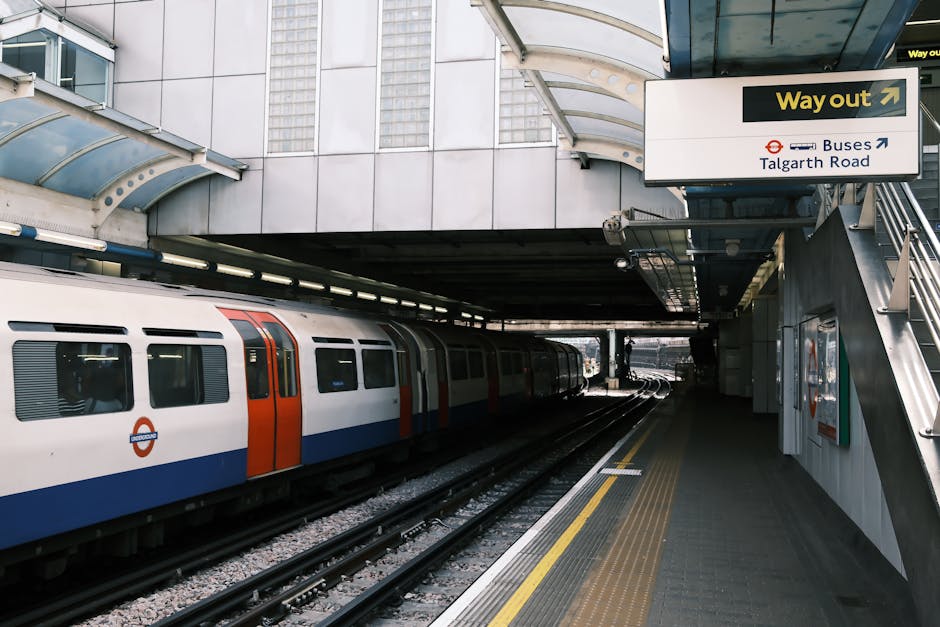
Access issues for Hammersmith oven cleaning what to know
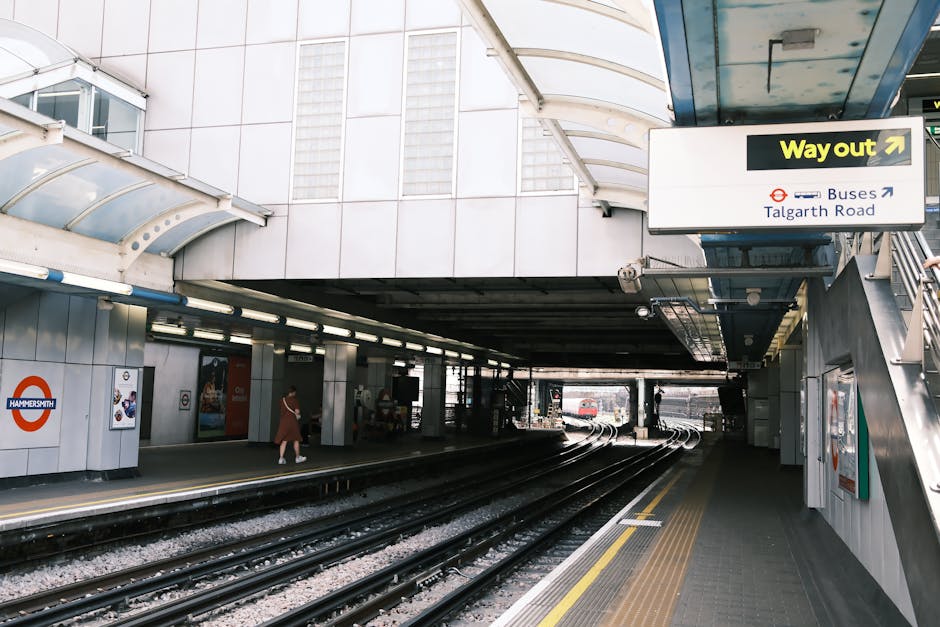
If you are arranging an oven clean in Hammersmith, the cleaning itself is usually the easy part. The bit that causes problems is access. Narrow hallways, basement kitchens, top-floor flats, shared entrances, locked communal doors, awkward parking, or a cooker squeezed into a fitted run can all slow things down. In a busy London area, that matters more than people expect. This guide on Access issues for Hammersmith oven cleaning what to know explains what to check, how to prepare, and how to avoid those slightly annoying surprises on the day.
Truth be told, most access problems are simple once you spot them early. A little planning goes a long way. It saves time, reduces the chance of damage, and helps the technician focus on the actual job instead of wrestling with a door code or a stuck side gate.
Why Access issues for Hammersmith oven cleaning what to know Matters
Access sounds like a small detail until it turns into a late arrival, a rushed job, or a cleaner having to reschedule because they cannot safely reach the oven. In Hammersmith, that can happen more often than people think. Flats above shops, period buildings, narrow stairwells, basement entrances and controlled parking all create real-world complications.
Why does this matter so much? Because oven cleaning is a hands-on service. The technician usually brings chemicals, cloths, scrapers, protective sheets, brushes, and sometimes compact equipment. They need room to move, a safe route in and out, and enough time to work without blocking a shared corridor. If the route is cramped, the job still may be possible, but it may need more care, more time, or a different approach.
There is also the practical side. Access problems can affect what the cleaner can remove, how they protect surrounding surfaces, and whether any parts of the oven need to stay in place. A fitted oven in a tight kitchen, for example, is very different from a freestanding range with room around it. Small difference, big impact.
You will also find that clear access helps with trust. When a customer has explained the doorway, parking, lift, or entry code in advance, the visit feels calm and organised. And honestly, that calmness shows up in the result.
Expert summary: the best oven cleaning appointments are rarely the ones with the fanciest equipment; they are the ones where the route to the kitchen, the parking situation, and the cooker setup have been thought through before anyone arrives.
How Access issues for Hammersmith oven cleaning what to know Works
In practical terms, access issues are anything that affects the cleaner's ability to enter the property, reach the kitchen, set up safely, and leave without disruption. That might sound obvious, but the detail matters. A door that opens inward and blocks the hallway. A lift that is too small for a trolley. A shared entrance that requires a buzzer. A top-floor walk-up with heavy kit. These are all access factors.
Here is how they usually affect the appointment:
- Arrival and parking: if parking is far away or restricted, arrival time can stretch. In some streets of Hammersmith, that means allowing a little extra buffer.
- Entry to the building: a missing key, incorrect door code, or unannounced concierge can stop the visit before it starts.
- Route to the kitchen: narrow stairs, cluttered hallways, pet gates, and stacked boxes can make movement awkward.
- Kitchen working space: if the oven is surrounded by furniture or a tight breakfast bar, the cleaner may need to work more slowly.
- Ventilation and safety: cleaners often need fresh air and enough space to work with cleaning products responsibly.
The job may still be completed, but the approach changes. For example, a standard single oven in an easy-to-reach ground-floor kitchen may be straightforward. A double oven in a fifth-floor flat with no lift and limited parking is still manageable in many cases, but it requires more planning. That is the difference between a smooth booking and a stressful one.
One useful way to think about it: access issues do not just affect convenience. They affect the whole workflow. And workflow affects quality. Not in some dramatic way, but enough to matter.
Key Benefits and Practical Advantages
Getting access right has some very real benefits, and most of them are practical rather than glamorous. Which is fair enough. The goal is a clean oven, not a performance.
- More accurate time estimates: the cleaner can plan the visit properly and avoid awkward delays.
- Better safety: clear routes reduce the risk of slips, knocks, and spills.
- Less disruption: neighbours, housemates, and family members are not left wondering who is blocking the corridor.
- Cleaner results: when there is enough room to work, the technician can be more thorough around racks, trays, seals, and door glass.
- Lower chance of rescheduling: nobody wants to wait around for a cleaner who cannot get into the building.
There is also a customer-service benefit that gets overlooked. When you give clear access information, the service feels more professional on both sides. It is a small signal, but it says: this booking has been thought through. That tends to set the tone nicely.
If you are comparing providers, you may also want to look at how they present their general service standards and business details. Pages like about the company and health and safety guidance can help you judge how seriously they take planning and site safety.
Who This Is For and When It Makes Sense
This topic matters for almost anyone booking oven cleaning, but especially if your property has one or more of the following features:
- a basement or lower-ground kitchen
- shared entrance doors or coded access
- restricted parking nearby
- narrow hallways or stairs
- a lift that is small or unreliable
- an oven built into a tight fitted kitchen
- limited daytime access because of work, school runs, or building rules
It also makes sense for landlords, letting agents, and tenants. End-of-tenancy timings can be tight, and access confusion can quickly become a headache. If the clean needs to happen between check-out and inventory, one missed key or delayed handover can throw the whole day off.
Homeowners benefit too, of course. If your oven is tucked away behind a kitchen island or the kitchen is packed with appliances, the cleaner needs to know that before arrival. You do not want to clear the room in a hurry while someone is already at the door. Been there, seen it, not ideal.
For properties that are being refreshed alongside other work, access planning matters even more. If builders, decorators, or a broader tidy-up are already involved, a coordinated schedule helps. In that situation, services like one-off cleaning or deep cleaning can sit neatly alongside oven cleaning, provided access is mapped out clearly.
Step-by-Step Guidance
Here is the simplest way to prepare for an oven cleaning visit when access might be tricky.
- Check how the cleaner will enter the property. Decide whether they need a key, a buzzer code, a concierge call, or someone present to let them in.
- Measure the route if space is tight. If there are awkward corners, steep stairs, or a narrow kitchen doorway, it helps to know that in advance.
- Clear the access path. Move shoes, laundry baskets, recycling boxes, pet items, and anything else that could get in the way.
- Make the oven area usable. Try to leave enough room around the appliance for the cleaner to open doors, remove racks, and protect nearby surfaces.
- Confirm parking or loading options. If the cleaner needs to unload gear nearby, mention any restrictions before the appointment day.
- Share any building rules. Some flats, managed blocks, or estates have quiet hours, concierge procedures, or lift booking requirements.
- Flag anything unusual about the oven. Old fittings, loose handles, gas isolation concerns, missing knobs, or previous repair work are all worth mentioning.
- Keep your phone handy. If the cleaner arrives and cannot get in, a quick call often solves the issue faster than a long exchange of messages.
That is the basic version. In a lot of homes, it really is enough. If you know access is especially awkward, send the details when you request a quote. A good provider will thank you for it rather than being put out by it.
And yes, a simple photo can help. Not always necessary, but sometimes a picture of the oven space, the hallway, or the entrance saves a lot of back-and-forth. Slightly old-fashioned maybe, but very useful.
Expert Tips for Better Results
After enough visits, a few patterns become obvious. Small adjustments make the biggest difference.
Give precise access details, not vague ones
"It is a flat" does not tell anyone much. "Third floor, no lift, entry via side gate, buzz flat 12" is far better. Precision helps the cleaner plan time, equipment, and arrival order. It also avoids that awkward pause where everyone is trying to interpret the same sentence differently.
Leave room for the oven door to open fully
Sometimes the oven itself is accessible, but the door cannot open properly because of a bin, stool, or island unit. The cleaner may still be able to work, but the process becomes slower and less comfortable.
Think about ventilation
Oven cleaning often involves degreasers or other specialist products. A window that opens, even slightly, makes the environment easier to work in. If you already have a relevant window service booked, or your kitchen windows are stiff, you may want to sort that out first. Services like window cleaning are not directly part of oven cleaning, but fresh, working windows can be surprisingly helpful.
Bundle related cleaning where it helps
If access is difficult, it sometimes makes sense to plan one visit instead of several. A technician already on site can often work more efficiently if the day includes other cleaning tasks. Depending on the property, related services such as domestic cleaning or house cleaning may be worth discussing.
One more thing: if you are on the fence about whether access is "bad enough" to mention, mention it anyway. That is the safe move. Nobody minds a useful heads-up.
Common Mistakes to Avoid
A few access mistakes crop up again and again. They are easy to avoid once you know them.
- Assuming the cleaner knows the building layout. Even local teams do not automatically know every block in Hammersmith.
- Forgetting entry codes or key arrangements. This is the classic one. Everyone has a plan until the buzzer does not work.
- Leaving the oven area cluttered. A cleaner cannot safely do much if the space is full of pans, trays, mop buckets, or shopping bags.
- Not mentioning pets. Curious dogs, skittish cats, or birds that react to noise can all affect how the visit unfolds.
- Overlooking parking limits. A street that looks fine for five minutes of unloading may be a different story at 10:00 on a weekday.
- Expecting the cleaner to move heavy furniture. If a chair, trolley, or storage unit blocks the oven, sort that in advance unless you have agreed otherwise.
There is also a slightly less obvious mistake: booking the service without checking timing around other trades or cleaners. If someone is painting nearby, moving furniture, or doing a builders' tidy-up, the access route may change during the day. That can make a simple oven clean feel a bit chaotic. Not disastrous, just messy.
Tools, Resources and Recommendations
You do not need a long shopping list to prepare for access. The useful tools are mostly simple.
| Item | Why it helps | When to use it |
|---|---|---|
| Phone notes | Keep door codes, parking notes, and flat numbers in one place | Before and on the day of the booking |
| Basic measuring tape | Checks whether the oven area, doorway, or lift feels workable | When access looks tight |
| Clipboard or notepad | Handy for managed buildings or shared access instructions | For landlords, agents, or busy households |
| Clear storage box | Quick way to move clutter away from the oven area | Right before the cleaner arrives |
| Phone camera | Useful for sending a picture of tight access or unusual oven placement | When a visual explanation is easier than text |
In terms of recommendations, choose a cleaning company that explains its process clearly and does not shy away from planning questions. Their pages on pricing and quotes, terms and conditions, and insurance and safety are worth reading if you want to know how they handle practical issues before anyone turns up at the door.
If you are comparing broader cleaning support as well, services such as cleaning company or cleaners may help if your property needs more than just the oven.
Law, Compliance, Standards, or Best Practice
For most household oven cleans, the main compliance concerns are sensible ones: safe working, responsible use of chemicals, honest communication, and respect for the property. There is no need to overcomplicate it. But best practice does matter.
In the UK, professional cleaners are generally expected to work in a way that reduces risk to people and property. That means planning access, avoiding blocked fire routes, handling chemicals carefully, and not forcing their way through spaces that are clearly unsafe. In managed buildings, there may also be house rules about entry, noise, parking, or lift use. Those rules are usually local to the property rather than legal drama, but they still count.
If a property has shared access, the cleaner should not assume they can leave doors propped open or ignore building instructions. Likewise, the customer should not assume that a cleaner can enter locked spaces without permission. Simple, really, but worth saying out loud.
Documentation also helps. A reputable business will usually set out practical information somewhere visible, including its accessibility statement and privacy policy. Those pages are not just formalities; they tell you whether the company is organised and careful with client information and access needs.
And if there is ever a concern, it helps to know the company has a clear route for feedback. A straightforward complaints procedure is a reassuring sign, even if you never need it. Nobody books a cleaning service hoping for a problem, after all.
Options, Methods, or Comparison Table
Not every access problem needs the same solution. Here is a simple comparison of common scenarios.
| Access situation | Best approach | What to tell the cleaner | Risk if you do nothing |
|---|---|---|---|
| Ground-floor house with easy parking | Standard booking with basic entry notes | Arrival window, parking spot, and oven location | Minor delay only |
| Flat with buzzer entry | Pre-arranged access codes and contact number | Flat number, buzzer label, and who will answer | Cleaner cannot get in |
| No lift, upper-floor apartment | Allow extra time and keep route clear | Floor level, stair width, and any heavy doors | Rushed work or reschedule |
| Tight fitted kitchen | Clear work area and remove movable items | How much space is around the oven | Limited access to sides and seals |
| Managed block with concierge | Coordinate handover and building rules | Reception process, entry times, and lift rules | Waiting at reception or access refusal |
If your property falls into one of the more awkward categories, the solution is rarely complicated. It is usually just a matter of telling the truth about the access. That is far better than trying to make it sound easier than it is. Cleaners would rather know than guess.
Case Study or Real-World Example
A typical Hammersmith scenario goes like this. A customer in a third-floor flat books an oven clean for a Friday morning. The oven is in a compact kitchen with a narrow doorway, and the building has a shared front entrance with a buzzer. At first, the customer thinks it is all obvious, so they only provide the flat number.
On the day, the cleaner arrives and cannot get through the main door because the buzzer label has been changed after a refurbishment. Ten minutes pass, then another five. The customer is at work and does not hear the call straight away. Once contact is made, the cleaner gets in, but the slot has already tightened. The result is still fine, but the visit feels rushed and the cleaner has to work around a few extra obstacles.
Now compare that with a better-prepared version. The customer sends the buzzer instruction, confirms the side gate code, mentions the third floor, and says the oven sits between a drawer unit and a kettle station with very little elbow room. The cleaner arrives ready, allows a bit more time, and brings the right mindset. The oven gets cleaned, the kitchen stays tidy, and no one is faffing about at the door. Much better.
It is a small example, but it captures the point neatly: access information does not just prevent problems. It improves the whole experience.
Practical Checklist
Use this before the appointment. It takes a few minutes and can save a lot of hassle.
- Confirm the full address and flat number.
- Share entry codes, buzzer labels, or concierge instructions.
- Check whether parking or loading is available nearby.
- Clear the path from the entrance to the kitchen.
- Move bins, shoes, laundry, and small furniture out of the way.
- Make sure the oven area is reachable on at least one side.
- Tell the cleaner about stairs, lifts, or low ceilings.
- Flag any pets, alarms, or building restrictions.
- Note any oven quirks, repairs, or loose fittings.
- Keep your phone on during the arrival window.
Quick takeaway: if you can picture the route from the street to the oven in one clear line, you are probably ready.
Get a free quote today and see how much you can save.
Conclusion
Access issues are not the most exciting part of oven cleaning, but they are often the part that decides whether the appointment feels effortless or awkward. In Hammersmith, where homes and buildings can vary so much from one street to the next, a little access planning is genuinely worth doing.
If you remember only one thing from this guide, make it this: tell the cleaner what the route looks like, not just where the oven is. Entry, stairs, parking, door codes, cramped kitchens, building rules - all of it helps. The more accurately you describe the situation, the smoother the visit will be.
And once the logistics are sorted, you can get back to the satisfying part: opening the oven door and seeing a clean, fresh interior instead of that stubborn baked-on mess. Small win, but a good one.
Take the extra minute to prepare. It pays you back.
Frequently Asked Questions
What are the most common access issues for oven cleaning in Hammersmith?
The most common issues are buzzer entry, locked communal doors, no lift access, narrow staircases, restricted parking, and fitted kitchens with very little working room around the oven.
Should I mention access problems when I ask for a quote?
Yes. It helps the provider give a more realistic plan and avoids surprises on the day. Even small details, like a side gate or a tricky staircase, can matter.
Can an oven cleaner still work if my flat has no lift?
Often, yes. It depends on the building, the equipment needed, and how far the kitchen is from the entrance. The cleaner may just need more time and a clear route.
Do I need to move furniture before the appointment?
If furniture or clutter blocks the path to the oven, yes, you should move it. Cleaners generally are not there to rearrange a room unless that has been agreed in advance.
What should I do if the cleaner cannot get into the building?
Answer the phone quickly if possible and check that the correct code, key arrangement, or entry point was shared. Most access problems are solved fastest with a quick call rather than messages back and forth.
Will access problems increase the cost?
Sometimes they can affect pricing if the visit will take significantly longer or needs special arrangements. That is not always the case, so it is best to ask during booking rather than assume.
Is it okay to send a photo of the oven area?
Yes, a photo can be very useful, especially if the kitchen is tight or unusual. It gives the cleaner a better sense of space than a written description alone.
What if my oven is built into a very narrow fitted kitchen?
That is still usually workable, but the cleaner needs to know in advance. A narrow fitted kitchen may limit access to the sides or make door opening awkward, so early warning helps a lot.
Do building rules matter for a simple home oven clean?
Yes, they can. Some blocks have concierge procedures, lift booking rules, or quiet-hour restrictions. Those things may seem minor, but they can affect the visit.
Can access issues affect the quality of the cleaning?
They can, mainly because cramped access reduces working space and slows the process. When the cleaner has room to move properly, the result is usually better and more thorough.
What if I also need other cleaning at the same time?
If the property needs more than oven cleaning, it can be worth discussing related services like domestic cleaning or cleaners so the day is organised around one access plan.
How do I know if a cleaning company is well prepared for access problems?
Look for clear information about safety, process, booking terms, and company details. Pages such as health and safety guidance and insurance and safety are a good sign that the business takes practical planning seriously.